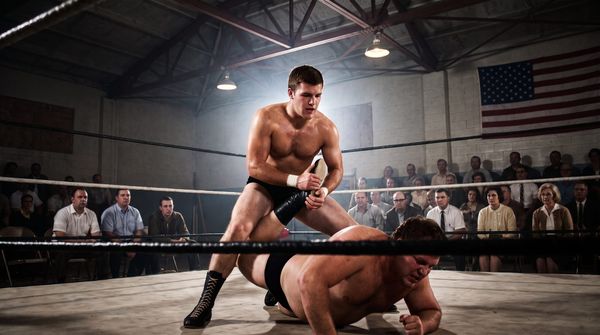
Tom Dillon
Tom Dillon came into the Frontier Justice League at twenty-one, the year the group expelled Tommy Tucker, and stayed until it broke up in 1982. He worked the Frontier loop for sixteen years and never held a championship.

Tom Dillon came into the Frontier Justice League at twenty-one, the year the group expelled Tommy Tucker, and stayed until it broke up in 1982. He worked the Frontier loop for sixteen years and never held a championship.
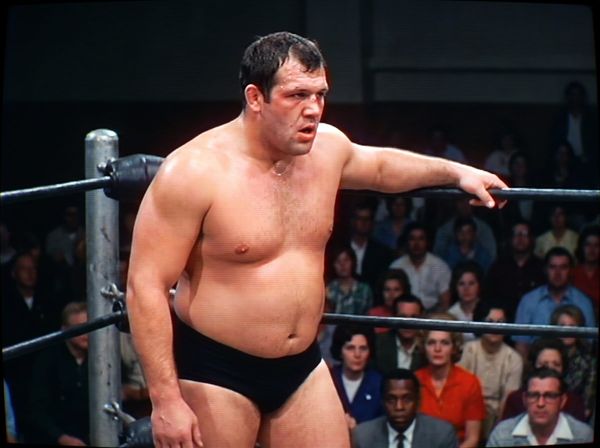
Out of Hamilton by way of the Maritimes, Chris Coleman took the Canadian Championship three times before he was twenty-six. Then he spent nine years as the Frontier Justice League’s enforcer, the man they sent when something needed stopping.
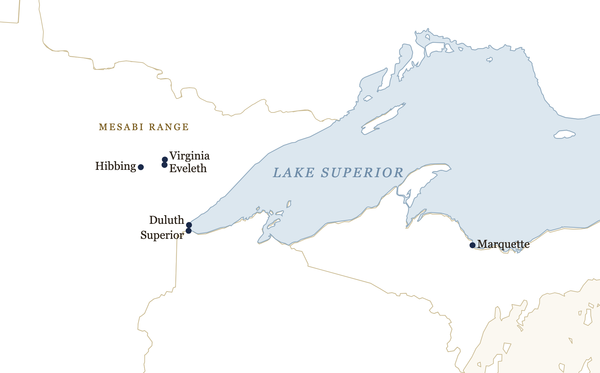
A walkthrough of the whole method on one invented territory: the ground, the work, the house style, the company, and the belt.
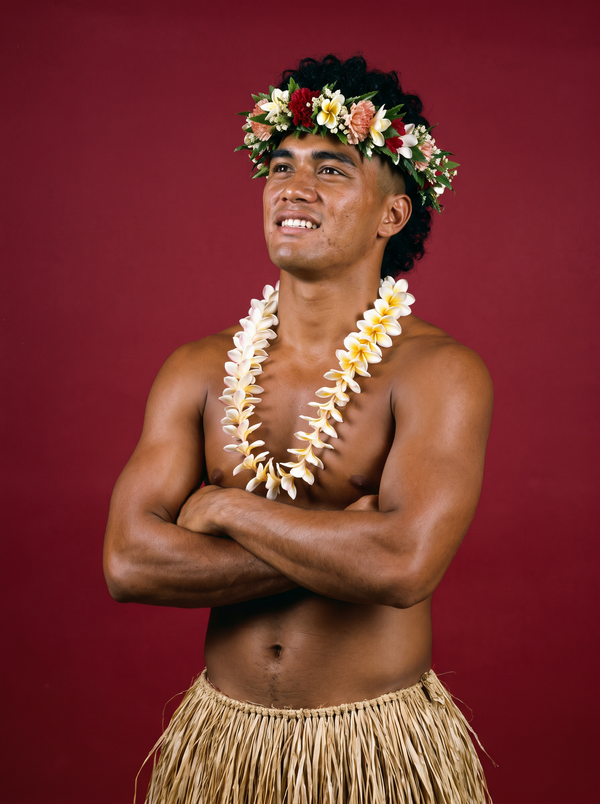
The Pacific Coast's island prince of the Traditions years: barefoot kenpo speed, a crown of flowers, and an Intercontinental Championship won at home in Honolulu.
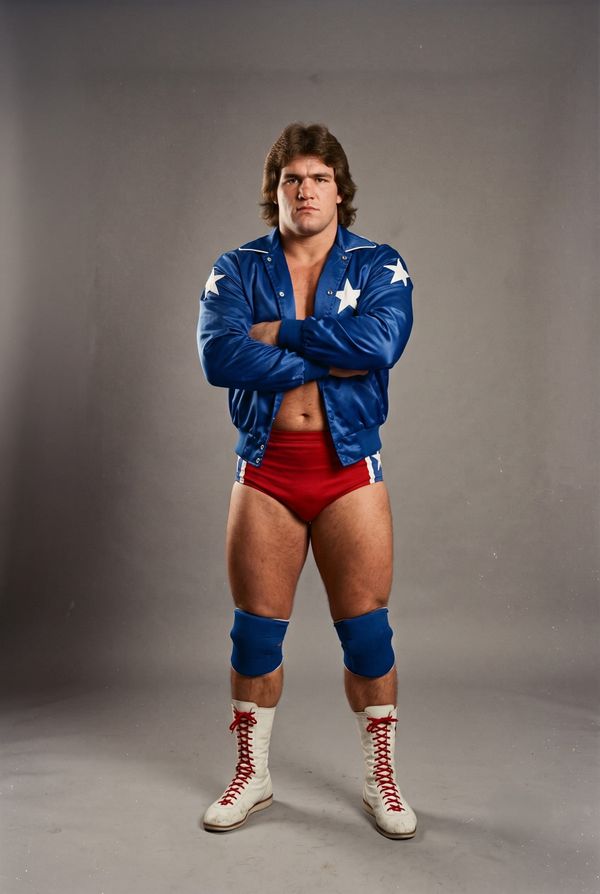
A Houston high flyer in red, white, and blue, Rocket Roger Rush was a three-time Gulf Coast Champion and the 1988 Western Traditions Champion across eighteen years in the GWA.
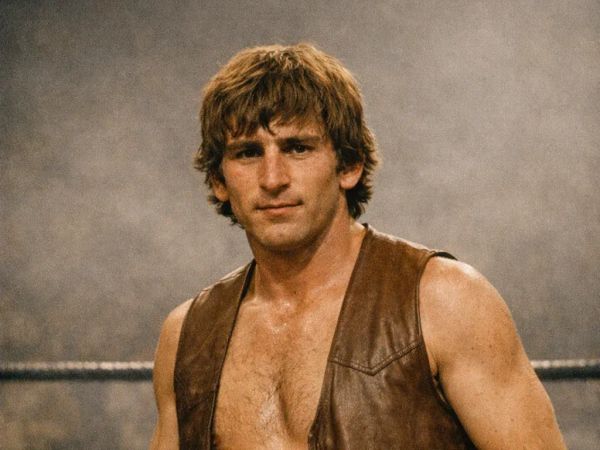
A 21-year GWA veteran who never held a title, Billy "The Kid" Carson was the ultimate utility player — tagging in Imminent Domain, carrying bags for two different heel stables, and pulling double duty as Brother Bones in the ill-fated Ministry of Night before finishing out on the Frontier circuit.
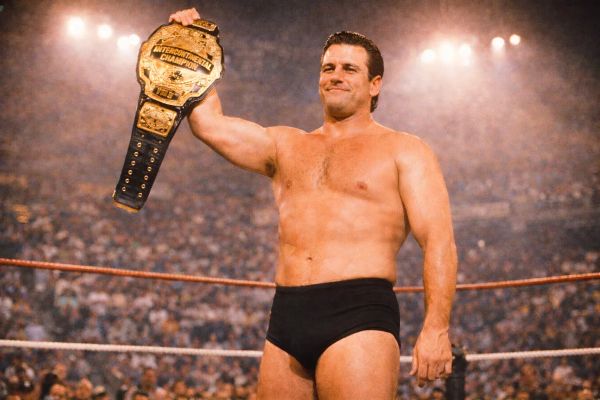
The GWA's final Intercontinental Champion who made ambiguity an art form—a 1950s technical wrestler in a corporate motivational speaker's body, speaking in sales platitudes that simultaneously mocked and embraced wrestling's carnival roots while holding the belt for a record 669 days.
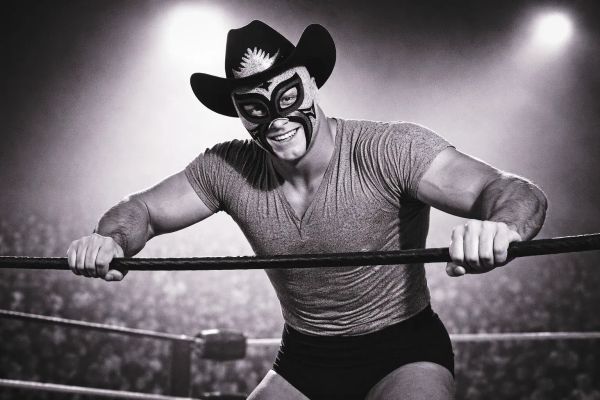
West Texas roughneck who wore a lucha mask and spoke broken Spanish on the Rio Grande Valley circuit from 1963 to 1975. Two-time Rio Grande Valley Champion and the first masked GWA Radio Champion.
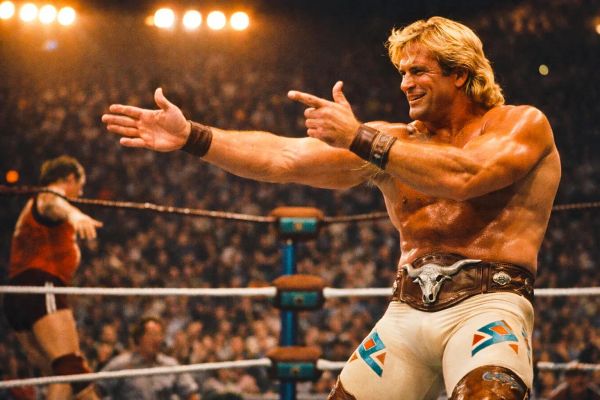
Silver-tongued heel who weaponized verbosity and handshake betrayals across the Great Plains Territory from 1980-1993. Never used one word when twenty would do.
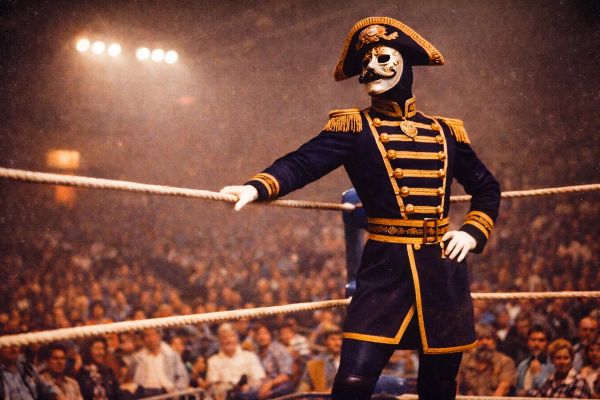
A delusional colonial bureaucrat who enforces imperial order through ceremony, convinced he represents an authority that publicly denies his existence—the Wrestling Viceroy is territorial wrestling's most pompous tyrant.
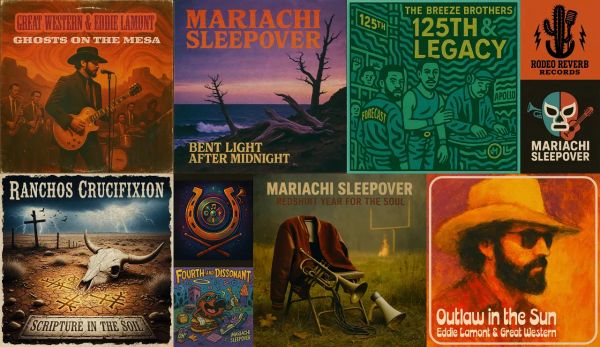
The Year the Library of Congress Said "Yeah, This Counts". Two Years In: A Celebration of Getting Legitimately Weird with It
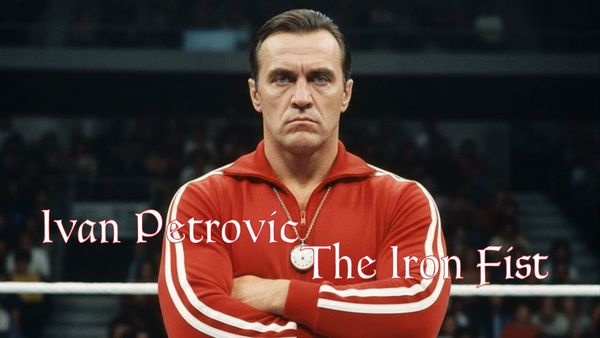
The Cold War's most calculating mind stepped from the shadows of Olympic coaching into professional wrestling's spotlight, transforming Soviet discipline into ringside dominance through calculated manipulation and iron-fisted control.
News
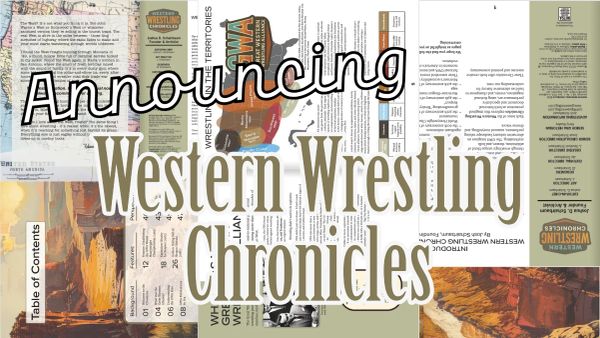
The definitive collection of GWA's most pivotal moments across four legendary eras is here. Western Wrestling Chronicles Vol. 1 captures territorial wrestling history through authentic period journalism—experience how the same events were covered by different publications.
Golden Era (1976-1987)
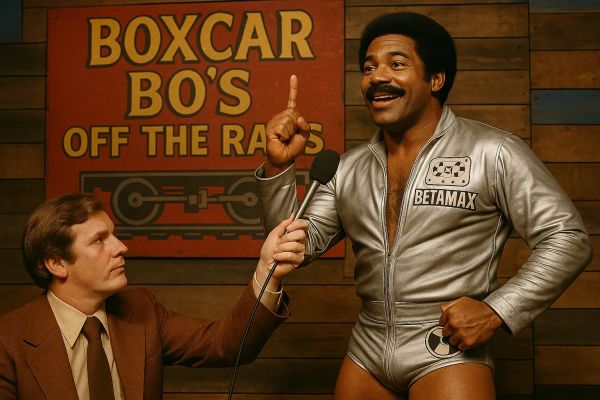
"Tomorrow's Man, Today" - a high-flying tech enthusiast ahead of his time. Betamax promised crystal-clear performance in silver trunks but delivered tragic obsolescence in an industry not ready for his futuristic vision.
Golden Era (1976-1987)
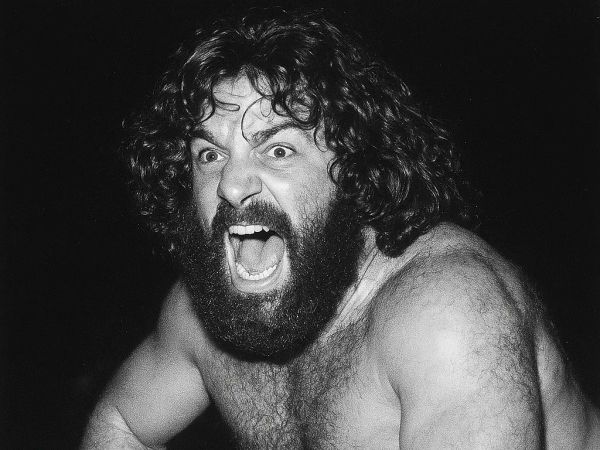
A steel-town brawler who fought wrestling's evolution into spectacle, Brody Broscious stood as the GWA's most uncompromising antihero—respected by peers, feared by opponents, and beloved by fans who craved authenticity in an increasingly manufactured world.
Traditions Era (1988-1993)
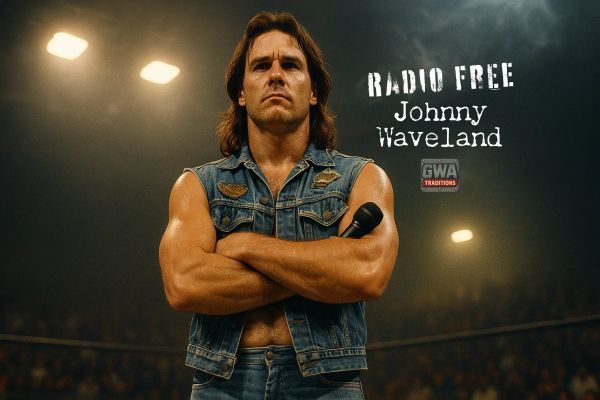
The pirate-signal prophet who turned wrestling's airwaves into weapons of truth, exposing corporate corruption one hijacked broadcast at a time during the GWA's final collapse.
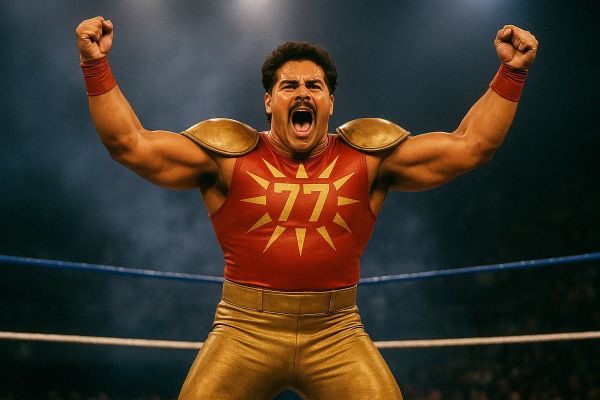
Traditions Era (1988-1993)
The cosmic gladiator who brought celestial spectacle to the squared circle, Cyrus Nova burned bright as GWA Traditions Era's most flamboyant futurist, transforming every match into a mythic battle between light and darkness.
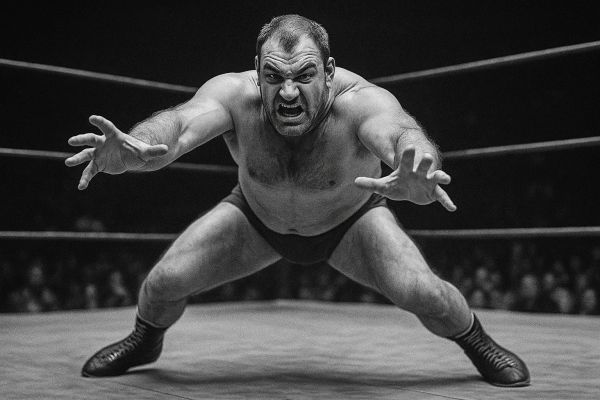
Frontier Era (1957-1968)
A longshoreman who brought honest grit to the squared circle, "Big Pete" Kosinski wasn't just another worker—he was the philosophical foundation that helped build the GWA's identity. His brief championship reign proved you didn't need flash to leave a lasting impression.
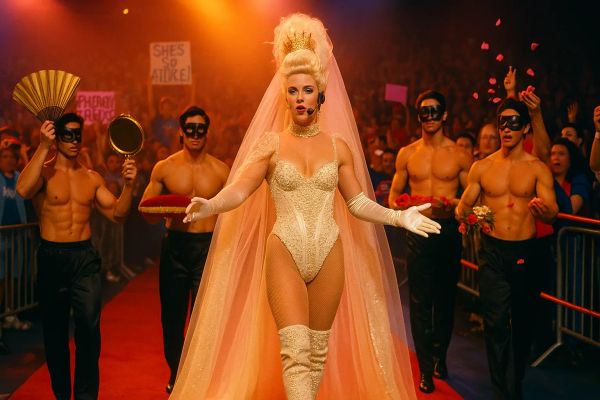
Profiles
The ultimate culture clash: A platinum-blonde pop icon who invaded the dusty territories with runway flair and technical precision. In the ring where grit meets glamour, ProvacaDonna forced opponents to "strike a pose, or tap out" during her explosive 1990 run.
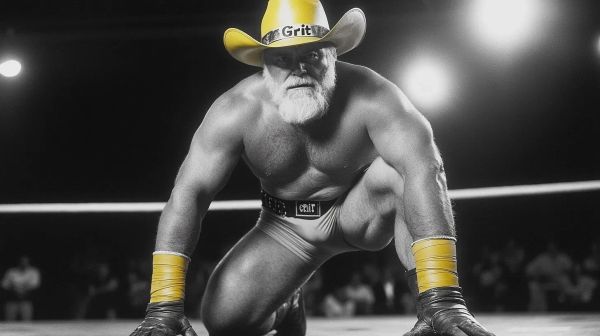
Frontier Era (1957-1968)
A force of nature in wrestling boots, "Grit" Garrett Carter embodies the Dust Bowl's fury. This barrel-chested brawler from Boise City doesn't compete—he survives, bringing storm-like intensity to every match with wild strikes and untamed rage that echoes America's forgotten struggles.

Frontier Era (1957-1968)
From the sun-scorched beaches of Ventura County emerged a technician who redefined women's wrestling without a single catchphrase. Cassie Cross proved that in the squared circle, words mean nothing when your armbars speak volumes.
Golden Era (1976-1987)
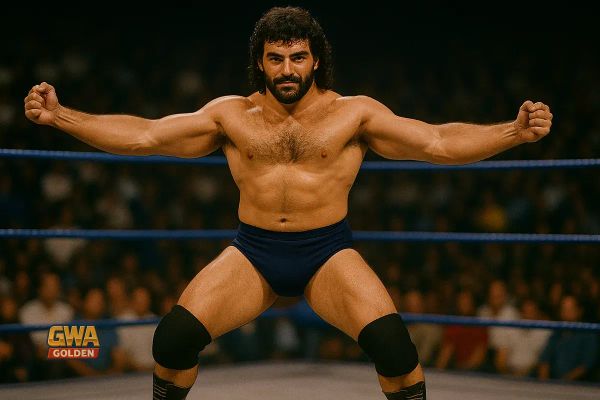
A stoic guardian of tradition emerging from Costa Rica's rugged coastlands, "El Cadejo" Alejandro Vargas brought mythic intensity to the squared circle. Not flashy or bombastic, but through raw authenticity, punishing technique, and the quiet storm of a man fighting for something justice.
Traditions Era (1988-1993)
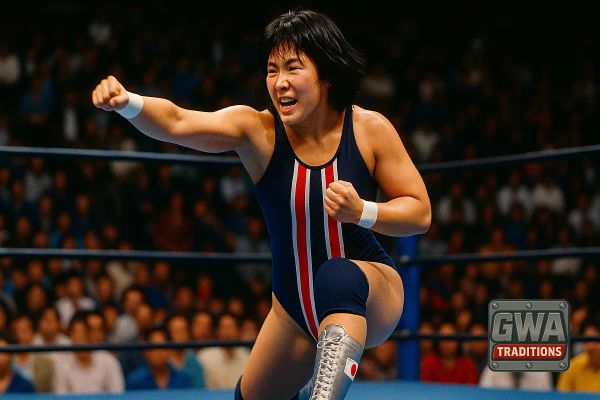
A disciplined warrior whose lightning-fast striking and technical precision captivated Bushido Pro before bringing her code of honor to the GWA. Her blend of martial arts mastery and authentic connection with fans made her the most successful international acquisition of the Traditions Era.
Expansion Era (1969-1975)
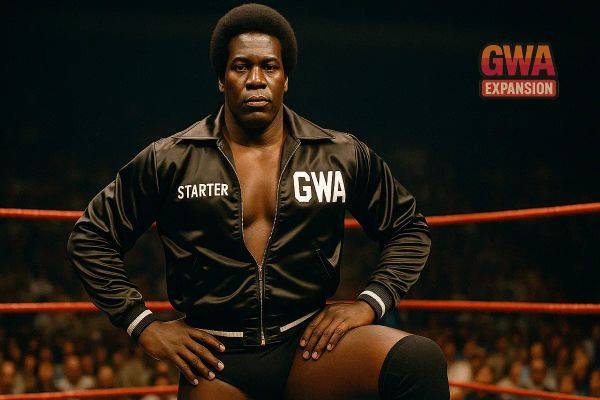
Ray Robinson was the GWA's blue-collar backbone - a no-nonsense powerhouse who built his reputation on grit rather than glory. Though he rarely sought the spotlight, his influence in the locker room rivaled many champions, until the night his principles were tested in the most unexpected way.